Not sure what really counts as plagiarism? Don’t worry—this quick, visual guide makes everything easy to understand. Understanding plagiarism is the first step to writing with integrity.
What Is Plagiarism?

Plagiarism is using someone else’s words, ideas, or work without giving proper credit. It can happen intentionally or accidentally—and in academic, professional, or creative settings, the consequences can be serious.
Examples of Plagiarism
Plagiarism isn’t always as obvious as copying and pasting a paragraph from the internet. It can show up in subtle ways—like poor paraphrasing, missing citations, or reusing your own work without permission. The plagiarism examples below illustrate the most common forms of plagiarism and explain why each one is considered wrong, so you can spot and avoid them in your own writing.
|
Examples of Plagiarism
|
Why is it Wrong?
|
|---|---|
|
Copying text directly from a source without citation |
It presents someone else’s work as your own |
|
Paraphrasing but keeping the structure or key phrases |
Still stealing ideas without credit |
|
Submitting someone else’s essay as your own |
Academic dishonesty and misconduct |
|
Using AI-generated text without disclosure |
Misrepresents authorship and violates academic policy |
|
Forgetting to cite statistics or data |
Readers cannot verify the information |
|
Reusing your old assignment (self-plagiarism) |
Violates originality expectations |
Types of Plagiarism
Plagiarism comes in many forms, and not all of them involve outright copying. Some are intentional, while others happen by accident—but every type can still harm your credibility. Understanding the different kinds of plagiarism helps you recognise how it occurs and what steps you can take to avoid it. Below are the most common types, explained in simple terms so you can spot them instantly.
Complete Plagiarism
Entire work copied outright
Direct Plagiarism
Word-for-word without credit
Paraphrasing Plagiarism
Rewritten too closely without citation
Accidental Plagiarism
Unintentional misuse or missing citations
Self-Plagiarism
Reusing your own old work
Duplicate Publication
Submitting identical work to multiple journals
Avoiding Plagiarism
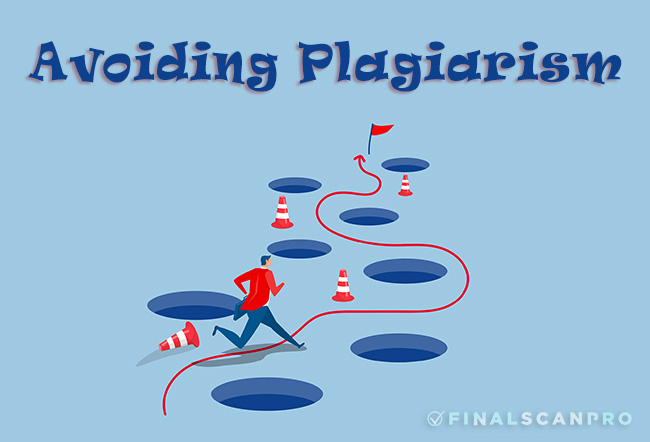
Avoiding plagiarism starts with building good research and writing habits. Simple actions—like citing your sources, paraphrasing correctly, using quotation marks, and keeping track of references—go a long way in keeping your work original. Tools such as plagiarism checkers can help you catch accidental mistakes, while planning your writing early prevents rushed decisions that lead to copying. Together, these steps make it easy to stay confident, ethical, and plagiarism-free.
Cite Your Sources Correctly
Always credit the original author when you use their ideas.
Paraphrase Properly
Rewrite content completely in your own words and structure.
Use Quotation Marks
Place copied phrases in quotation marks and include proper citation.
Keep Track of References
Organize all sources during research to prevent missing essential citations.
Use Plagiarism Checkers
Scan your work to detect accidental duplication before final submission.
Plan Your Writing Early
Start early to avoid rushed writing that increases plagiarism risks.
Consequences of Plagiarism
Plagiarism is more than a simple writing mistake—it’s considered a serious form of academic misconduct. Whether it happens intentionally or by accident, plagiarism can lead to consequences that affect your grades, reputation, and future opportunities. From formal penalties to long-term credibility issues, the impact can be significant. Here are six major consequences every student and writer should understand.